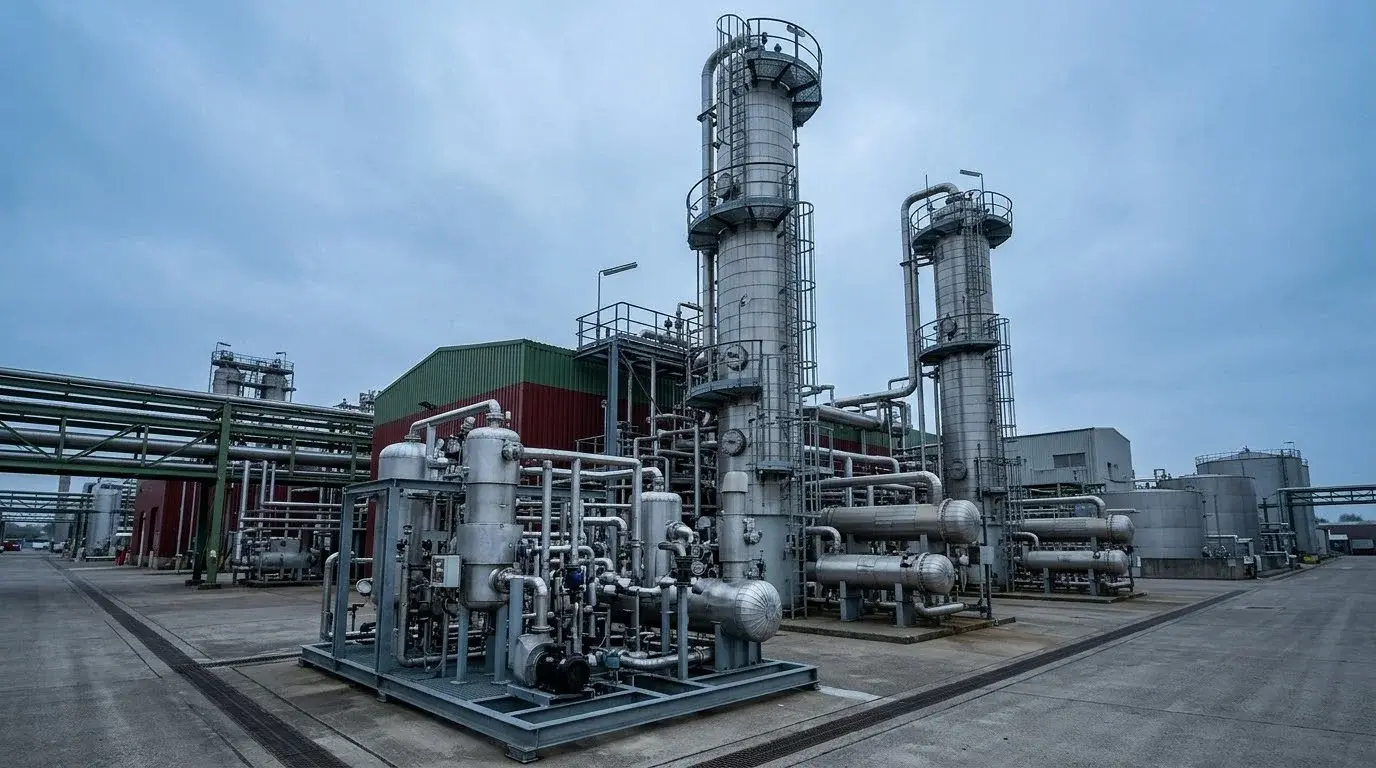
We compare how your plant is doing on emissions, wastewater and odors with what the regulations require and with the best practices of the industry, including the BAT conclusions. Our starting point is the European Commission's BREF reference documents. It is a good basis both for upgrading or optimizing your current system and for a turnkey project.
What you get
A comparison of the technologies and operating models that make sense in your case.
An analysis of the investment, the payback and the long-term costs.
An action plan with the next steps.
You'll know from the start what you need, and you'll avoid costly delays, misdirected investments and legal risks.
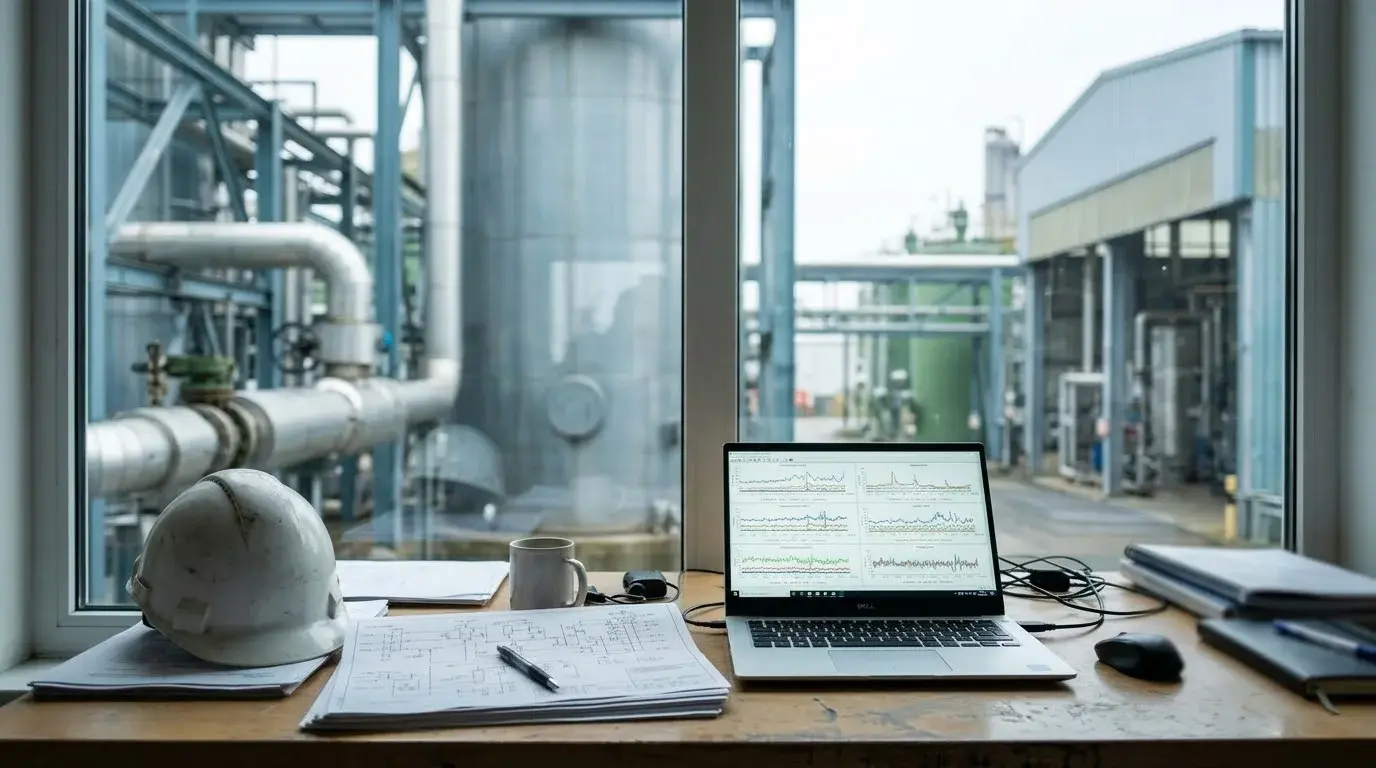
Front-end engineering for environmental installations. The decisions taken in the FEED stage set the cost of the whole investment, and it is the easiest moment to cut both the capital cost and future operating costs.
The result is a plan that sets the project's schedule, budget and legal requirements. That way there are no cost surprises during execution.
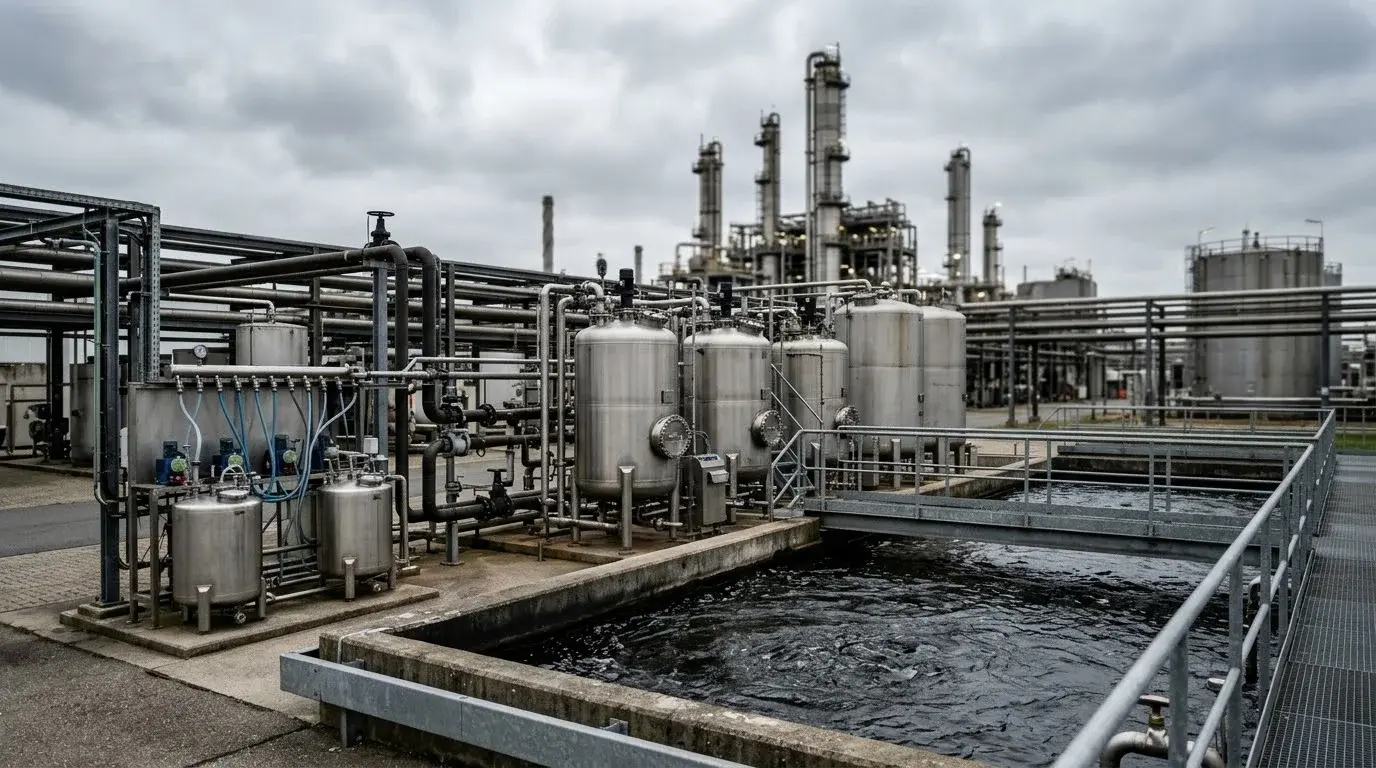
Biological, chemical and physical processes chosen according to the composition of your wastewater. We design the treatment to meet ever stricter limits and to be easy to operate. Where it is viable, we propose Zero Liquid Discharge (ZLD): a plant that discharges nothing and recovers water and raw materials.
How we work
Detailed wastewater analysis: composition, variability and pollutant loads under real production conditions.
A tailored system: the process scheme is designed for your production, not taken from a catalog.
Operating optimization: parameters tuned to cut chemical and energy consumption.
A well-designed treatment plant means fewer shutdowns, predictable operating costs and inspections without surprises.
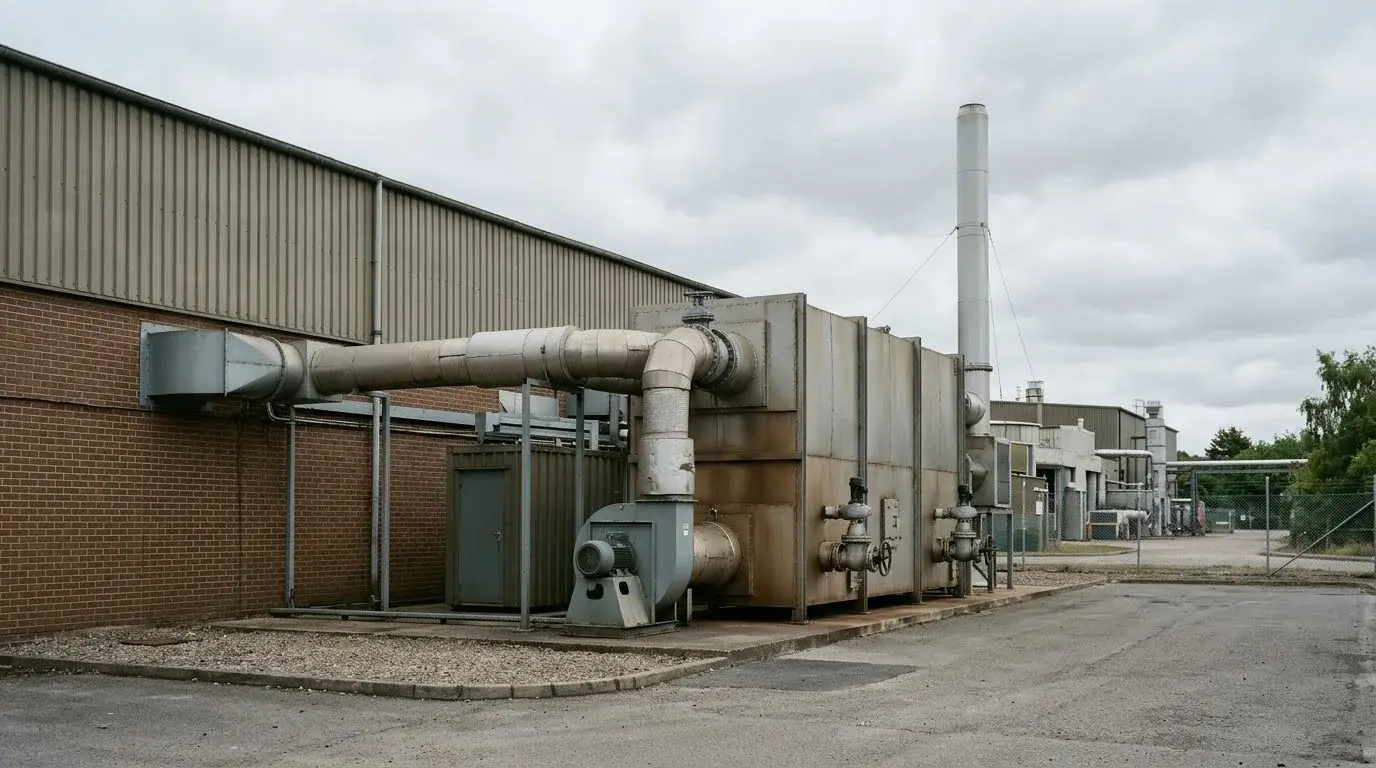
We integrate the equipment into existing processes with as little downtime as possible, so that emissions meet the limit values. Each system is chosen according to the gas composition, the flow rate and the line's operating schedule, and its efficiency is checked with measurements after commissioning.
| Technology | How it works |
|---|---|
| Regenerative thermal oxidizers (RTO) | They oxidize volatile organic compounds at high temperature and recover most of the process heat. |
| Biofilters | Microorganisms break down odorous compounds and part of the VOCs. A solution with low operating costs. |
| Scrubbers | Wet: harmful gases are absorbed into a liquid. Dry: acidic compounds are neutralized with a solid sorbent. Packed bed: removal of soluble gases and odors. |
Without a measurement, an odor complaint is hard to solve. That's why we start with data: we measure the odor concentration, find where it comes from and only then choose the solution.
We measure odor concentration by dynamic olfactometry according to EN 13725. The samples are analyzed by an independent accredited laboratory and the result is expressed in ouE/m³.
Measuring at the inlet and the outlet shows whether the problem lies in the process itself or in the system that should remove the odor. If needed, we add a VOC measurement and a chemical analysis.
With the results we choose the solution, for example a biofilter or a packed bed scrubber. After commissioning, we check the efficiency with a new measurement.
Support at the stages where projects tend to get stuck: before scaling up, during commissioning and when choosing a supplier.
Controlled tests of efficiency, chemical behavior and environmental impact under conditions close to the real ones. We verify the technology before taking it to industrial scale.
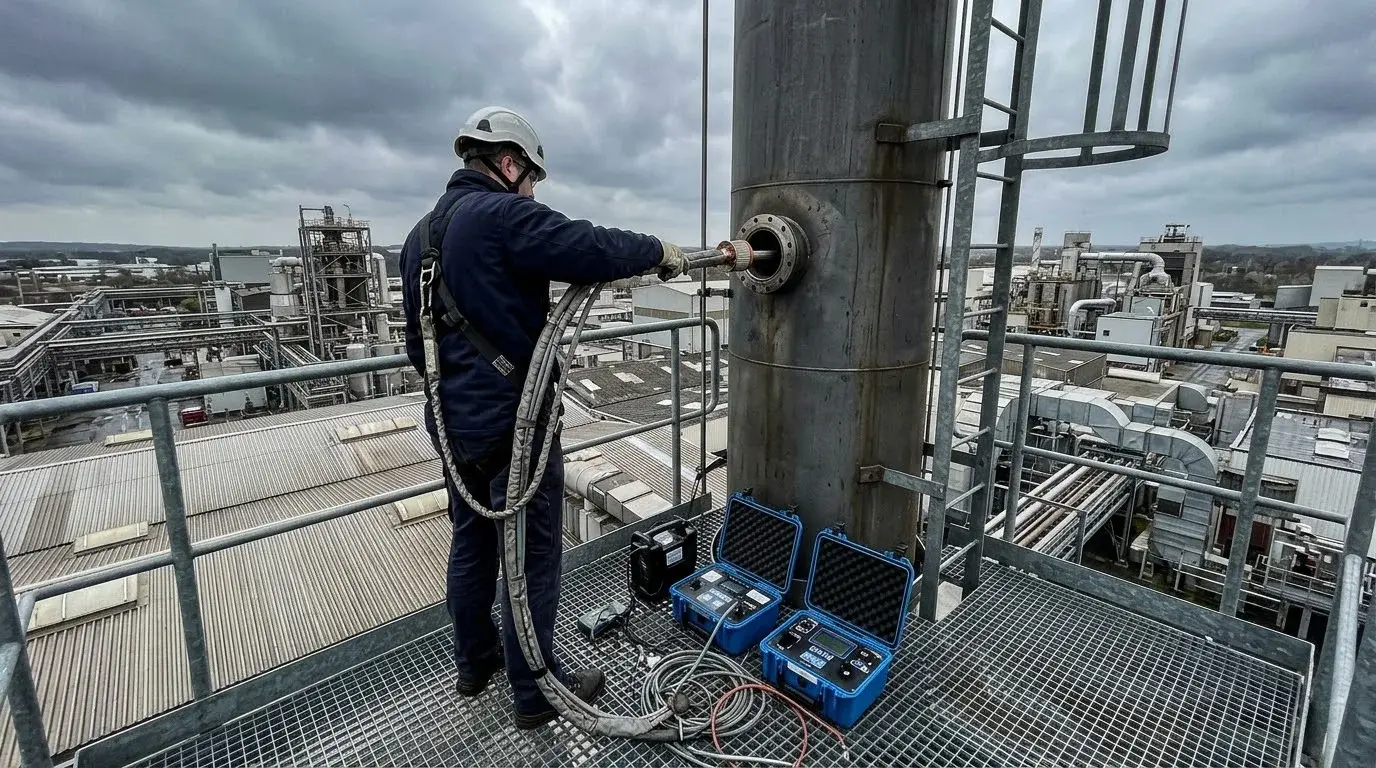
Performance tests, calibration, process tuning and on-site operator training. We check that the plant matches the design, that it is safe and that it meets the permit conditions.
An independent comparison of offers by efficiency, energy consumption, technical service, scalability and cost.