
Roller kiln in a ceramic tile factory

Home / Industries / Ceramics, glass and cement

05

Ceramics, glass and cement

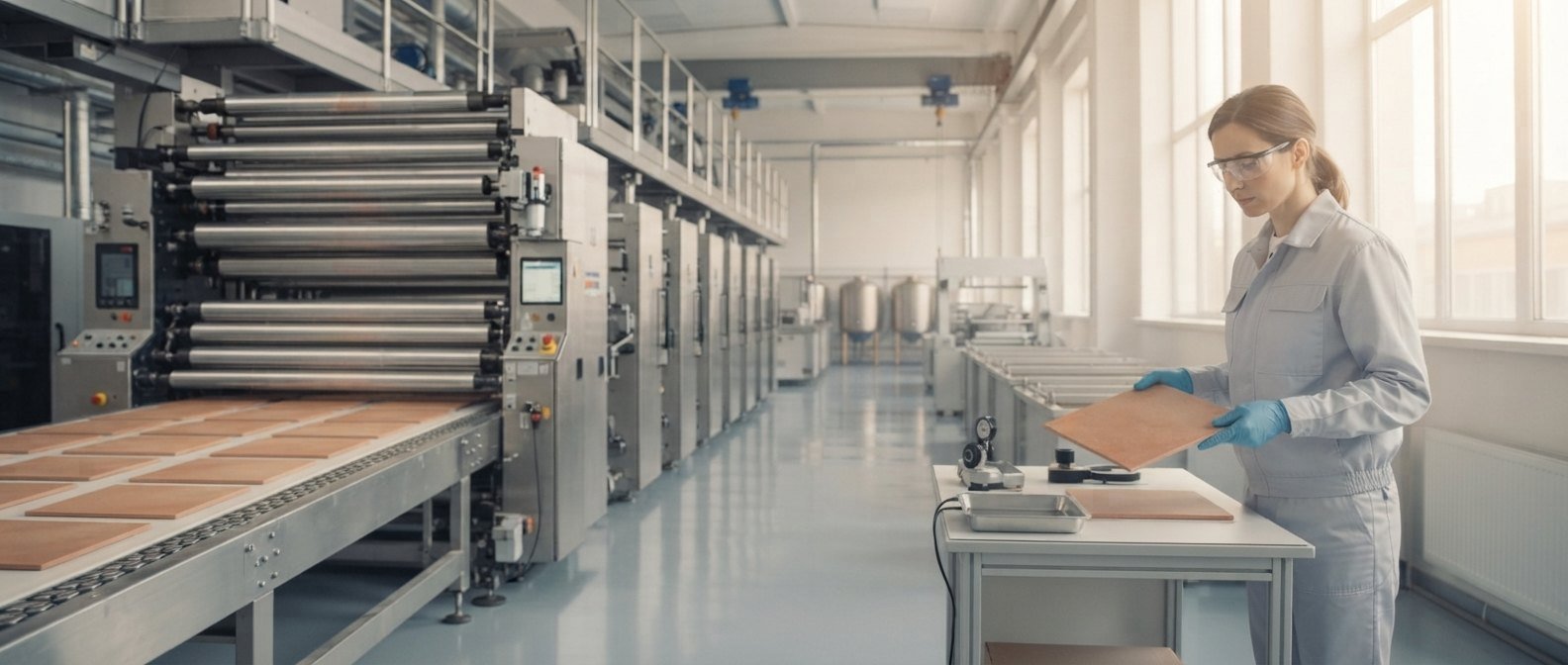
Tiles, frits and glazes, flat and technical glass, cement and other building materials. High-temperature kilns, very large gas flows and a lot of solids handling.

Ceramic tilesFrits and glazesGlassCement and limeBricks and roof tiles

Where the problem starts

ProcessReleases to airDischarges to water
Milling and spray dryingParticles and combustion gasesSlip and cleaning water
Pressing and dryingDustNo significant discharge
Glazing and decorationGlaze dust; VOCs from inks, released in the kilnWater with glaze, boron and metals
FiringHF, HCl, SOx and NOxNo significant discharge
Frit and glass meltingParticles, NOx, SOx and boronFrit cooling water

Industry challenges

Emission challenges

5
  1. 1Particles from milling, spray drying, pressing and raw material handling.
  2. 2Acid kiln gases (HF, HCl, SOx), which depend on the clay and the fuel.
  3. 3VOCs and odour when firing digitally decorated pieces: very large kiln flow and low concentration.
  4. 4Hot gases: temperature dictates the filter medium and the reagent.
  5. 5Replacing natural gas in kilns and dryers with electricity or alternative fuels.

Water challenges

5
  1. 1Water with clays, glazes and suspended solids.
  2. 2Boron and metals from frits and glazes, which settling does not remove.
  3. 3Closed loops: water is reused in the process and salts build up.
  4. 4Glaze sludge that can go back to milling if it is well separated.
  5. 5Ultrapure water for technical glass lines.

Regulatory framework

BREF for ceramic manufacturing (under review), the glass BREF and the BREF for cement, lime and magnesium oxide.

30,000 m³/hof kiln gases at 200 °C

Case · Ceramic tiles

High-end floor and wall tile manufacturer in the Valencia region, with acid gases at the kiln outlet. A Venturi cools the stream and captures the particles, and a polypropylene packed tower scrubs it counter-current with caustic soda. Emissions are below the legal limit and the system runs automatically.

Read the case study

InputAcid kiln gases at 200 °C
StageVenturi: cools and captures particles
StagePacked tower with caustic soda
ResultBelow the legal limit

Facing a similar problem at your plant?

Tell us what you emit or discharge and which limit you have to meet. The first conversation is free of charge.

Tell us about your case

Environmental engineering for industry.
Industrial wastewater, emissions and odors.

OFFICE

Avda. Cabrera, 36
08302 Mataró (Barcelona), Spain
info@wizzum.com

© 2026 Wizzum. All rights reserved.